
generate a simple black and white blog coverpage for my website on the topic Influencer Marketing & Digital Marketing: The Ultimate Growth Strategy for Modern Brands,
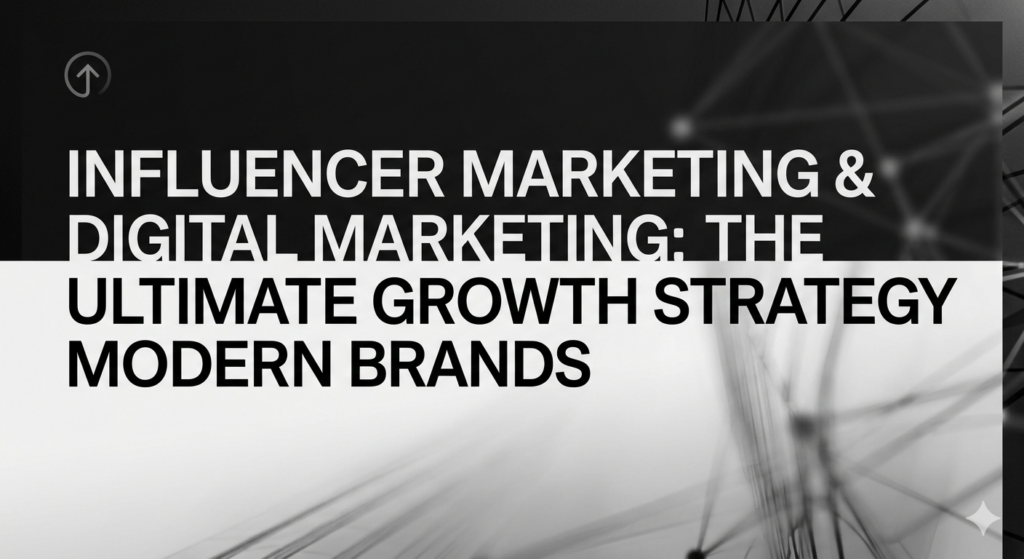
In today’s fast-paced online world, businesses are no longer relying only on traditional ads. The rise of social media platforms like Instagram, YouTube, and TikTok has transformed how brands connect with their audience. This shift has given birth to two powerful strategies: Digital Marketing and Influencer Marketing.
Together, they create a strong ecosystem that helps brands increase visibility, build trust, and drive sales effectively.
What is Digital Marketing?
Digital Marketing refers to all marketing efforts that use the internet or electronic devices. Businesses leverage channels like search engines, websites, email, and social media to connect with current and potential customers.
Key Components of Digital Marketing
- Search Engine Optimization (SEO): Improving website ranking on Google Search
- Social Media Marketing: Promoting brands on platforms like Facebook and Instagram
- Content Marketing: Creating valuable blogs, videos, and posts
- Email Marketing: Direct communication with customers
- Pay-Per-Click Advertising (PPC): Paid ads for instant traffic
Digital marketing helps brands reach a global audience, track performance in real time, and optimize campaigns for better results.
What is Influencer Marketing?
Influencer Marketing is a strategy where brands collaborate with individuals who have a strong online following. These influencers promote products or services to their audience, creating authentic and relatable content.
Popular influencers like Virat Kohli or Kylie Jenner often partner with brands to reach millions of followers.
Types of Influencers
- Mega Influencers: Celebrities with millions of followers
- Macro Influencers: Large-scale content creators
- Micro Influencers: Niche-focused audiences (high engagement)
- Nano Influencers: Small but highly loyal communities.
Why Influencer Marketing Works
Influencer marketing is powerful because it builds trust. People are more likely to trust recommendations from someone they follow than direct advertisements.
Key Benefits
- Authentic promotion
- Higher engagement rates
- Better audience targeting
- Increased brand awareness
- Improved conversion rates
How Influencer Marketing Fits into Digital Marketing
Influencer marketing is not separate—it’s a part of digital marketing. When combined strategically, it amplifies overall marketing efforts.
Integration Strategies
- Promote influencer content through paid ads
- Use influencer-generated content for social media campaigns
- Combine SEO blogs with influencer collaborations
- Track performance using analytics tools
For example, a brand can collaborate with an influencer on Instagram and then boost that content using paid ads for wider reach.
Latest Trends in Influencer & Digital Marketing
- Short-form video dominance (Reels, Shorts)
- AI-driven marketing strategies
- Rise of micro and nano influencers
- Authenticity over perfection
- Voice search & mobile-first marketing
Brands that adapt to these trends stay ahead in the competitive digital landscape
Challenges to Consider
While effective, these strategies come with challenges:
- Finding the right influencer
- Managing budgets effectively
- Measuring ROI accurately
- Maintaining authenticity
Proper planning and strategy can overcome these obstacles.
Tips for Successful Campaigns
- Define clear goals (awareness, sales, engagement)
- Choose influencers aligned with your brand
- Focus on storytelling, not just selling
- Monitor and analyze performance
- Stay consistent with branding
Conclusion
Digital Marketing and Influencer Marketing are essential tools for modern businesses. When used together, they create a powerful strategy that drives growth, builds trust, and delivers measurable results.
Whether you’re a startup or an established brand, investing in these strategies can take your business to the next level in today’s digital-first world.